
Why Culture and Talent Drive Deal Value

* indicates a required field
Why This Research Matters
M&A is increasingly used to accelerate growth and acquire capabilities, yet many deals still struggle to realize their full value. While financial models and synergy targets dominate dealmaking, the forces that determine success often emerge later—in culture, talent retention, and organizational integration. This is a leader’s guide to protecting deal value by aligning culture, talent, and operating models after the transaction closes.
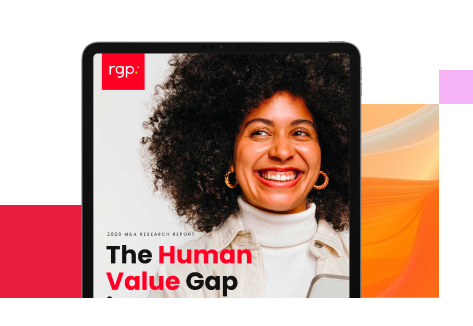
Inside the 2026 M&A Research, you’ll discover:
- Why deal value is often declared too early—and how financial metrics can mask deeper organizational risks during post-acquisition integration
- The growing “human value gap” in M&A, where talent retention, leadership alignment, and cultural integration determine whether deals succeed
- Why intangible assets drive modern deal value—even though most organizations still struggle to assess or protect them during the deal process
- The early warning signs of value erosion, including leadership turnover, innovation slowdowns, and declining collaboration between legacy teams
Key Research Highlights
The Early Warning Signs of Value Erosion
58% Synergy realization delays
58% Leadership and key talent turnover
54% Innovation lag and slowdown
50% Operational disruptions
47% Customer attrition and satisfaction decline

More About This Research
This study explores the structural blind spots in modern dealmaking and why a new M&A playbook is needed. RGP surveyed 120 CFOs across Technology, Consumer Products & Retail, Financial Services, Private Equity, and Healthcare. Most respondents are based in the United States (83%), with additional representation from Mexico (18%), and work at organizations with more than $500M in annual revenue, with deal experience ranging from under $100M to more than $1B.
The findings reveal a generally positive view of M&A outcomes, but also a consistent message: value is most reliably protected and unlocked through disciplined integration, particularly around talent retention, cultural alignment, and the integration of digital, data, and innovation assets. At the same time, the most common failure points remain familiar, and preventable, including overestimated synergies, cultural misalignment, and inadequate diligence, often followed by integration fatigue and talent attrition. As companies increasingly acquire capabilities such as data platforms, technology, and intellectual property, the next frontier of deal success lies in strengthening the organizational muscle required to integrate them effectively.
To deepen these findings, RGP conducted follow-up interviews with 15 CHROs from some of the world’s largest organizations. Their insights help illuminate what financial metrics alone often miss: that the long-term value of a deal is ultimately determined by how successfully organizations align people, culture, and operating models after the transaction closes.