
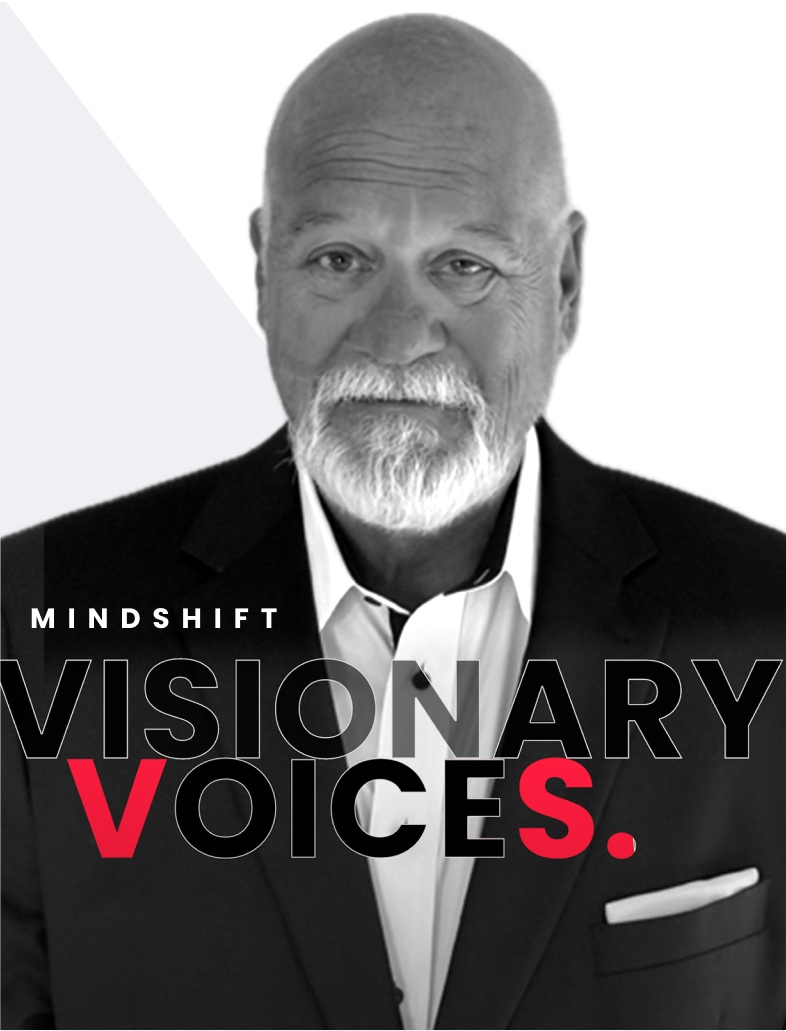
A Conversation with Jeff Seabloom: The Virtues of Fearlessness, Focus,

Jeff Seabloom is Managing Director at Centrilogic, bringing senior leadership experience from Accenture, Landis+Gyr, Alsbridge, ISG, and Oracle. He has a proven record leading digital transformation across global tech enterprises and med-tech startups.
We sat down with Jeff to explore what it takes to lead successfully in a world where change is the only constant.
The Power of Focus: Solving One Real Problem at a Time
You’ve had a rich career and witnessed massive technological transformation. What is a key lesson you would impart to other leaders?
I’ve always lived at the intersection of innovation and practical execution. I helped launch i2 Technologies, spent over a decade at Oracle, and led global technology for a $3B Swiss firm. I’ve built sourcing practices, served on advisory boards, and today, I’m working with med-tech startups using AI to solve real problems. All of that reinforced one simple truth: focus matters. Solve one real problem at a time and do it well.
Too many companies chase trends without direction. Whether it’s AI, cloud, or RPA, they start broad and end up lost. The path to transformation starts with focus. Pick one high-impact issue—like inventory or customer experience—solve it, measure it, and celebrate it. That becomes your momentum. It’s how you bring people along.
You need a culture of curiosity and experimentation. The most valuable skills now aren’t just technical—they’re about being willing to try, fail, and learn. I’ve never been a coder, but I taught myself prompt engineering and worked with products like Duet AI and Co-pilot just to see what’s possible. The leaders who will thrive are the ones willing to experiment—hands-on, unafraid.
Transforming the C-Suite: New Roles in a Digitally Driven Era
What do you see as the biggest reasons digital transformations fail?
Poor governance, lack of focus, magical thinking. Companies say, “We need AI,” but can’t define the problem they’re trying to solve. RPA was a classic case—suddenly everything was “intelligent automation” without understanding that you need governance, transparency, and a clear roadmap. Solve something real—don’t over-engineer or overpromise.
How can companies design their organizations to be ready for AI and innovation?
Start with people. Invest in learning and identify your early adopters—your curious minds. Help them deliver a win that’s measurable and impactful. That success gets noticed, and others follow. Over time, the skeptics come along, and the resisters retire. That’s how cultures evolve.
AI is a tool or a weapon, depending on how you use it. If you don’t start with governance, you’re inviting risk. It’s non-negotiable.
What are the biggest cultural barriers to successful transformation?
I see three: geography, demographics, and idealism. Regulations vary by region, generational resistance is real, and far too many leaders think their business is “too unique” for off-the-shelf solutions. It’s rarely true. Whether you’re building watches or bikes, 90% of the back-end needs are the same. Drop the ego and solve the problem.
Industry Disruption on the Horizon
Which industries are being—and will be—most disrupted by AI?
Healthcare and clinical medicine, without question. From faster drug development to AI-assisted surgeries and diagnostics—it’s already happening. Retail, logistics, manufacturing, and CPG are next. Think intelligent order fulfillment, predictive inventory, and forecasting that actually works. AI lets us shift from reactive to proactive and predictive.
Guidance for Emerging Leaders in a Fast-Moving World
What advice would you offer leaders who are beginning their careers?
Start small, think big, and move fast. Look across your industry, talk to peers, don’t reinvent the wheel. Demand real thought leadership from your vendors—not just sales pitches. Build a team that’s curious and empowered. And be bold. Professional courage is everything right now.
This is scary for a lot of people—not because they’re resistant, but because they’re uncertain. Leaders need to help their teams lower their guard and engage. AI isn’t magic. But your people are. Empower them. Guide them. And let them build the future with you.