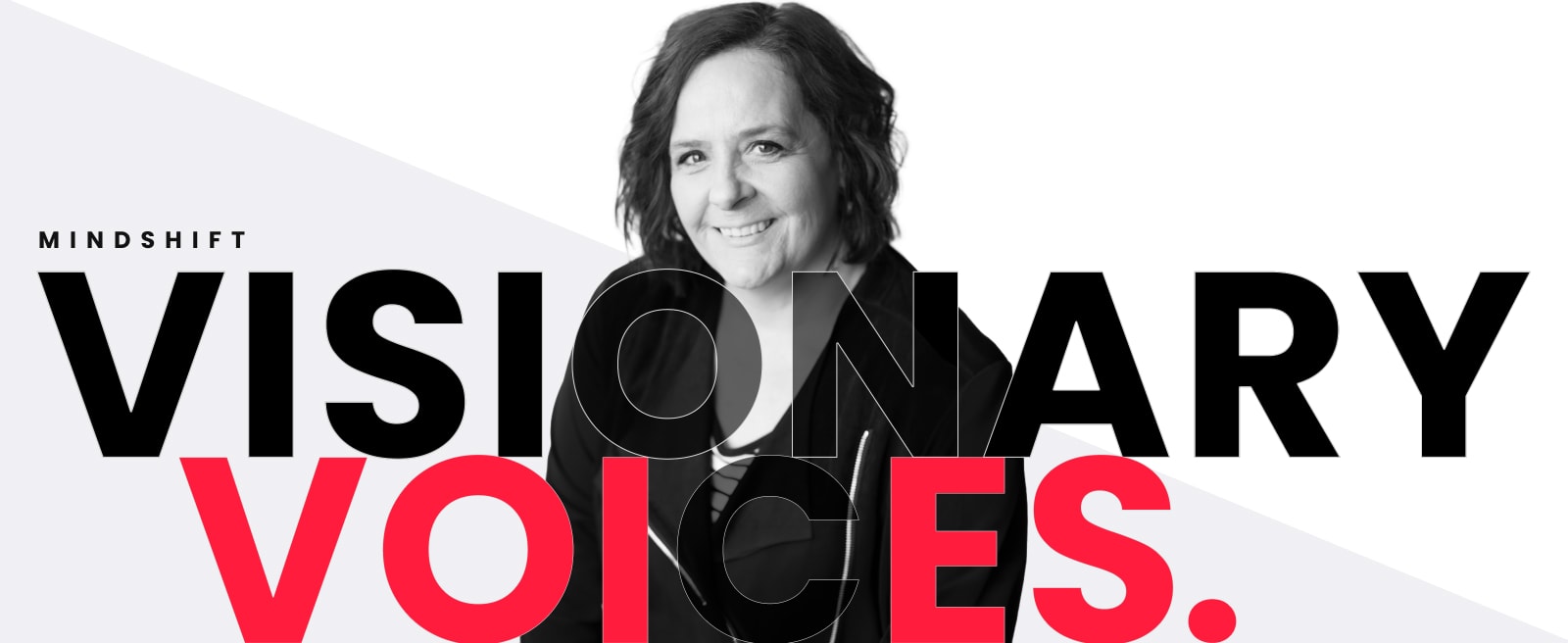
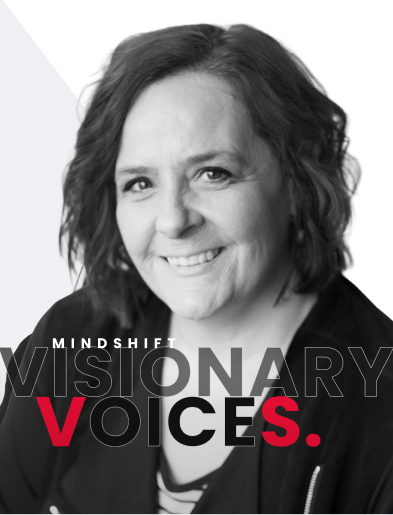
AnnMarie Wills is co-founder and CEO of Leverage Lab, a first-party data and marketing company focused on helping organizations turn customer and audience data into business growth. She has more than 20 years of experience at the intersection of data, technology, and marketing, including leadership roles at Knight Ridder, Penton Media, and SourceMedia. Throughout her career, Wills has focused on using data to better understand individual customers and create more relevant, personalized experiences.
What is afforded to companies in terms of customer knowledge that wasn’t available before?
I became obsessed with the idea of using data to personalize the consumer experience back in the late 1990’s. There was a book by two futurists, Don Rogers and Martha Peppers, called “The One to One Future” that presented the concept of customer centricity and showed a glimpse of a future state where data would enable personalization of the customer experience.
I was lucky to be in a position where I could fully enact this in my role leading direct mail subscription marketing for a major market newspaper. We were customizing every aspect of the customer journey. At least, given the technology and available data at the time.
It really worked. We saw positive impacts on every available metric. It was cheaper to acquire customers and easier to retain them. We could grow the business just by treating people as individuals. That cemented this obsession that drives my business today. Back then, the technology didn’t exist to support data-driven personalization, and frankly, consumers didn’t expect it. But they do now, and the technology exists. In this age, failing to leverage customer data to deliver a personalized experience is a level of negligence that no company can justify.
How is this knowledge shaping interactions with customers?
Today we can capture a vast array of customer information. But the question is: what should we capture, and how should we turn that information into action?
For years, the best marketers could do was to carve up their prospects and customers into categories based on their age, gender, or other assumed demographics.
Today, we can use observed behavior signals like product interest, content consumption patterns, and other intention-based signals to make better predictions about where people are in the buying process, what sparks their interest, and when and where they are most likely to be reached. This shapes interactions with customers by allowing businesses to tailor them more effectively.
How has this knowledge informed key decisions in an organization?
Potentially, customer knowledge could impact every single aspect of a business. For a product business, it could drive shifts away from feature list to usage led development. For marketers, it’s a heavier focus on intent signal led messaging versus demographic targeting. For customer success, it enables a focus on retention through usage drop offs or churn predictions. For sales, a more robust alignment with marketing to focus the right energy on the right buyer stakeholders at the right time.
As an example we work with a large technology brand who have developed a robust marketing practice leaning into intention signals. They create an amazing amount of content, and understand the opportunity to harness the behavioral signals their customers and prospects show them every day through their engagement. This enterprise focus on reading the signals from content consumption behavior drives a host of impacts. From how they derive their audience targets to where and how they engage with prospects and customers, to AI driven scoring at every stage of the customer or prospect experience. By shifting their focus from “who they are” to “what they are signaling”, led to critical KPI impacts like reduced time to sale and lower costs of acquisition.
What does it mean to be customer-driven today?
Today it means more than just being a good transactional experience. Today, we should do much more to anticipate what customers need by understanding how they behave. I started my career in marketing research asking consumers, “What do you want…what do you need?” and basing business decisions on what they said.
Today we can see their usage telemetry, understand and predict their next best action; we can predict what they might want based on how they behave, not who they are. Today, we must go further toward the customer rather than expecting them to come to us.
What are companies getting wrong about personalization? What should they be paying most attention to?
I think companies confuse personalization with light customization. Nothing irritates a consumer more than simply slapping their first name on a message promoting something they just bought from you. This happens every single day in a consumer’s life. We can and should do so much better.
Companies should pay attention to intent and context. What does a consumer show interest in? Where did they come from? How hot are they coming in? These are all things we can know and can use for personalization. What a company can get wrong when it’s using intent and behavior is making big inferences that cross the line into creepy territory.
Just because you can infer something from a behavioral signal doesn’t mean you should. There’s the classic marketing tale of a retailer assuming a teenager’s pregnancy from buying behavior, before her family knew. While the actual story has a bit of debate around authenticity, the retailer was using AI prediction and was incredibly accurate. The retailer subsequently changed the use of this data to a less direct hit of offers and coupons and sprinkled in other products to dial down the creepy factor. Again, just because you can doesn’t mean you should.
What will the next generation of customer intelligence look like, and how will AI be shaping that?
The next generation of customer intelligence will shift from descriptive analytics and dashboards used to make decisions to agentic layers that adapt how the business responds. For instance, for a product company today, we have alerts and analytics to tell us when a customer is declining in usage and looking like a churn risk. The alerts spur a human reaction to put this challenge on a list for action. In an agentic world, task-specific agents autonomously act when the signal is picked up. Within guardrails humans define, the agent can create an offer, change an account limit, or otherwise change the customer experience to mitigate the loss.
How should a company connect data across functions such as marketing, sales, and service?
Today, top-tier companies already invest energy in connecting their STRUCTURED data through a variety of technology solutions. What the future with AI will enable is adding in the UNSTRUCTURED data that sits on the fringe, but holds incredible promise. Audio files, images, and videos that aren’t part of the customer profile can now become part of the customer story, leading to a whole host of buyer insights. Think about reading the pitch and sentiment of an agentic support call and it sifting in real time.
What is the best piece of advice you can give leaders today? I spent my career obsessed with using data to treat people as individuals. My advice to leaders is to remember that the goal remains the same; only the speed of the connection has changed. Build the shortest distance between a signal and a pivot.
What is the best piece of advice you can give leaders today?
I spent my career obsessed with using data to treat people as individuals. My advice to leaders is to remember that the goal remains the same; only the speed of the connection has changed. Build the shortest distance between a signal and a pivot.